by
by 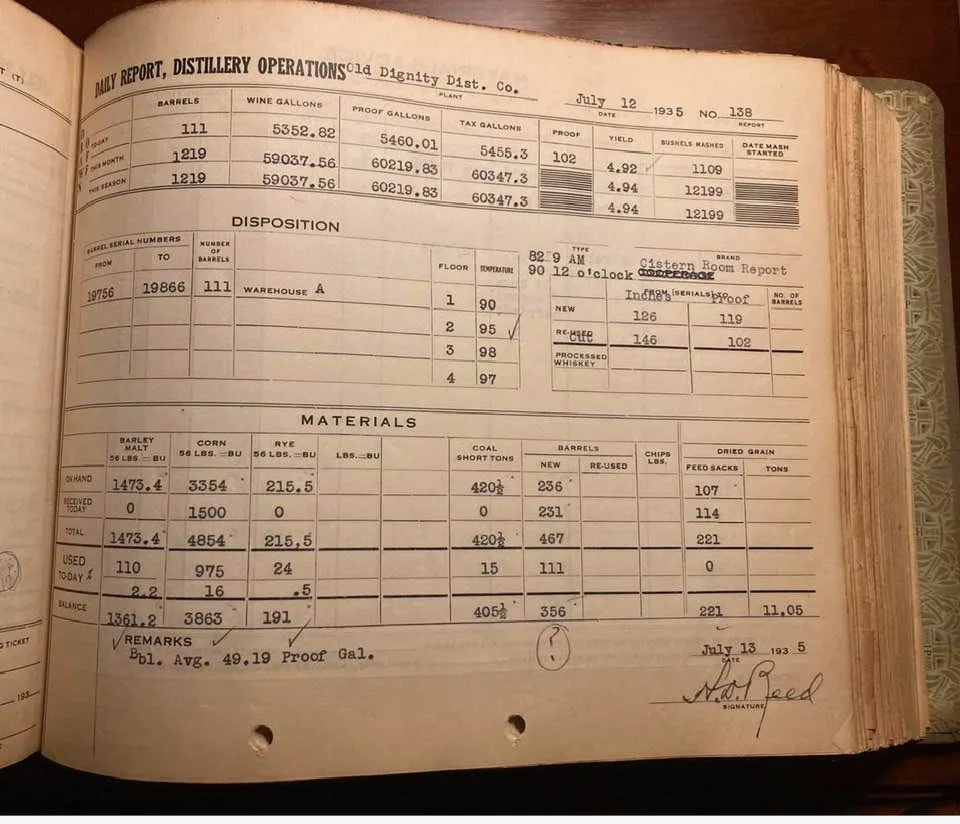
Every bottle you sell moves through gatekeepers you don’t control. Distributors hold the retailer ties. States set the rules. You absorb the margin at every step. Most producers figure this out after the contracts are signed.
The three tier system alcohol distribution sets your route to market. It shapes what you can charge, who you can sell to, and how much margin survives the trip from your distillery to the shelf.
That framework isn’t static. Recent court rulings have cracked open settled law on required distribution and state-by-state direct-to-consumer (DTC) shipping. Knowing what the system requires day to day, and where the rules are shifting, helps you make smarter choices before you’re locked in.
Main Takeaways
- The three-tier system for alcohol was built to prevent tied houses, where producers controlled retail and locked out rivals.
- Distributor and retailer margins stack on top of production costs, so a $10 bottle can retail for $25–$35 depending on the state.
- Franchise laws make it legally hard to exit a distributor deal once signed, leaving small brands with little recourse if deprioritized.
- Before your first bottle ships, you need a Distilled Spirits Plant (DSP) permit, state licenses, and a Certificate of Label Approval (COLA) for every product.
- Direct-to-consumer shipping of spirits is growing in a handful of states, but it can’t replace wholesale distribution as a primary route to market.
See How Excise Tax Stacks Up Across Markets
Federal excise tax is just one layer of the cost build. This breakdown covers rates across the US and internationally so you can see the full picture.
Why the Three-Tier System Exists: The Tied House Problem
Three tier system alcohol distribution traces back to one specific abuse: the tied house. Before Prohibition, breweries and distillers bought or funded saloons outright. They covered rent, supplied fixtures, and extended credit on one condition: the saloon sold only their products.
That setup gave producers direct control over retail, which drove two problems at once:
- Saloon owners had every reason to push volume because their survival depended on the producer’s goodwill.
- Smaller rivals couldn’t get shelf space at any price.
By the early 1900s, tied houses ruled urban alcohol retail. The excess drinking they fueled and the monopoly-style grip they created became key arguments for the temperance movement. They didn’t cause Prohibition on their own, but they gave its backers a concrete, visible target.
How the 21st Amendment Created the Three-Tier Structure
When the 21st Amendment repealed Prohibition in 1933, its Section 2 handed each state the power to regulate alcohol distribution within its borders. States responded by adopting the three-tier structure. They split producers and importers, distributors and wholesalers, and retailers into legally distinct roles with cross-ownership limits.
The entire design was a firewall against tied houses returning. Those cross-tier ownership rules are why vertical integration debates stay contested today. The system was built to prevent the exact kind of producer-to-retail control that defined the pre-Prohibition market.
How the Three Tiers Work and What Each One Costs You
The three-tier distribution system routes every bottle through three legally separated roles: producer, distributor, retailer. Each one adds cost, compliance, and a layer of margin between you and the buyer.
Tier 1: Producers and Importers
Distilleries, breweries, wineries, and licensed importers all sit in Tier 1. Your legal role here is to produce or import alcohol and sell it to licensed distributors. In most states, you can’t sell straight to consumers or retailers. You also can’t own or control a distributor or retail outlet. That’s the tied house firewall in practice.
The 3 tier system beer producers navigate is the same in structure, though state-level exceptions differ by category. A craft distillery’s production cost for a 750 mL bottle of spirits typically runs $8–$12, covering raw materials, labor, and overhead. That’s where the cost build starts.
Tier 2: Distributors and Wholesalers
Distributors buy from Tier 1 and sell to Tier 3. They handle warehousing, delivery, sales work, and in many states, excise tax collection. In 17 control jurisdictions, including Pennsylvania, Virginia, and Utah, the state itself acts as the wholesaler or retailer. In license states, private distributors hold those roles. Distributor margin typically adds 25%–30% to the producer’s price. A $10 production-cost bottle reaches retailers at roughly $14.
Franchise laws are what trap small producers in this tier. These state statutes make it legally hard or flat-out impossible to end a distributor deal once you’ve signed one. If your brand gets deprioritized in a portfolio of thousands of SKUs, you may have no recourse. Large distributors routinely favor high-volume national brands over small craft labels.
The Federal Trade Commission filed suit against Southern Glazer’s in December 2024. The suit alleges discriminatory pricing practices that harm small, independent retailers. As of mid-2026, both sides have requested a pause in litigation to pursue a settlement. However, it is evidence for just how focused wholesaler power has become.
Tier 3: Retailers
Retailers are the only tier legally allowed to sell straight to consumers. On the on-premise side, that’s bars and restaurants. Off-premise means liquor stores and grocery chains. Retailer margin adds another 30%–40%, pushing that $14 wholesale price to a $19–$22 shelf price before taxes.
Federal excise tax on distilled spirits runs $13.50 per proof gallon. That works out to roughly $2.14 per 750 mL bottle at 80 proof.
State taxes vary wildly. Washington, for example, layers a 20.5% spirits sales tax for consumers, plus $3.7708 per liter at retail, according to the Washington Department of Revenue.
The net result: a bottle that costs $10 to produce can easily retail for $35, depending on the state. The three-tier structure and taxes account for most of that markup.
Problems with the Three-Tier System
The three-tier system has several well-known drawbacks for producers and retailers:
- Distribution bottlenecks: Fewer major distributors means less leverage for small brands seeking shelf placement.
- Barriers for craft producers: Franchise laws, portfolio deprioritization, and minimum-volume rules make market entry and growth far more difficult for small operations.
- State-by-state splits: Rules differ across 50 states and 17 control jurisdictions, forcing producers to navigate a patchwork of licensing, tax, and distribution needs with no federal standard.
- DTC limits: Unlike wine, where post-COVID DTC shipping grew fast, spirits DTC remains restricted to a handful of states. That limits direct consumer ties and margin capture.
For craft producers, the distributor tier is where the most leverage is lost. It’s also where the most cost is absorbed without matching control over how your brand reaches the shelf.
Keep Your TTB Reports Audit-Ready Every Month
Monthly production records that don’t reconcile with distributor tax filings are where audit risk starts. See how DISTILL x 5® handles that tracking automatically.
What the Three-Tier System Requires of Your Distillery
Running a Tier 1 craft distillery inside the three-tier system means getting specific federal and state permits. You’ll also file ongoing production and tax reports. And you must meet label approval rules before a single bottle reaches a distributor.
Permits, Licenses, and Ongoing Compliance
Tier 1 producers need three things before selling a single bottle through the three-tier system:
- State-level manufacturing and storage licenses
- A COLA for every product
The DSP is your federal license to produce, store, and bottle distilled spirits. Current median processing time runs roughly 45–59 days for new applications, according to the Alcohol and Tobacco Tax and Trade Bureau (TTB). State-level licenses are required on top of the federal DSP. Some states mandate separate permits for manufacturing, storage, and tasting-room work.
Every label for every product needs a COLA approved by TTB before you can sell it. Current median processing time is seven days for spirits labels.
Monthly reports to TTB require you to track production volumes, materials used, proof gallons produced, and inventory movements. These aren’t optional, and errors trigger audits. Excise taxes are typically collected at the distributor tier. But you’re on the hook for keeping production records that reconcile with tax duties. Your books need to match what your distributor reports.
That’s why DISTILL x 5® was built at Stranahan’s Colorado Whiskey, because managing this reporting by hand at scale was unworkable. Since then our system has successfully processed thousands of TTB reports.
Where the Rules Are Shifting: DTC and Self-Distribution
DTC spirits shipping remains rare compared to wine. California launched a 2026 pilot program allowing DTC spirits shipping under a new Type 94 permit. It’s time-boxed and limited, according to the California CDTFA. Washington allows licensed distilleries to deliver spirits straight to in-state consumers under RCW 66.20.410. That’s useful for tasting-room revenue.
Cocktails-to-go has become permanent in 31 states. That signals broader updates at the edges of the three-tier model. These exceptions are real, and they’re growing. But they can’t replace wholesale distribution. Build per-state programs with realistic volume goals. A California Type 94 permit is a pilot worth pursuing, not a wholesale DTC strategy.
Start Building Your Route to Market with Fx5
You now have a framework for what the three-tier system requires of your distillery. You know where cost builds at each tier. And you know which compliance duties hit your desk before your first bottle ships.
The producers who navigate this system well are the ones who build accurate reporting, realistic distribution plans, and per-state DTC programs into their work from day one.
We built Dx5 to handle the monthly reporting, excise tax tracking, and TTB compliance duties that the three-tier structure creates. You get accurate production records that reconcile with distributor tax filings. TTB reports generate as you go. No filing scrambles, no audit risk.
For more on the data side of running a modern distillery, explore how we approach production and compliance at Dx5.
Built for Tier 1 Producers Who Ship Through Distribution
When your first bottles move through a distributor, your compliance clock starts. Get a walkthrough of how Dx5 handles it from day one.
FAQs about the Three-Tier System for Alcohol
The three-tier system applies to all alcoholic beverages in the US. The specific rules and exceptions differ by category. For example, wine DTC shipping is legal in 47 states, but spirits DTC is allowed in fewer than 10. The category you’re in shapes which exceptions you can use.
Work backward from your target retail price using the tier-by-tier margin structure. Here’s how it breaks down on a $30 shelf target:
1. Subtract retailer margin (30%–40%) to get roughly $19 wholesale.
2. Subtract distributor margin (25%–30%) to get roughly $14 at the producer level.
3. Subtract the federal excise tax of $2.14 per 750 mL bottle at 80 proof.
That leaves a max production cost of about $11.86. State excise taxes vary wildly and can compress that number further.
In a control state, the state runs the wholesale tier. You sell to a state ABC board, not a private distributor. In a license state, private distributors hold the licenses. You negotiate pricing, placement, and terms straight with them.
In most states, yes. Distillery tasting rooms are a common exception to the three-tier mandate. They allow on-site bottle sales straight to consumers without distributor involvement.
Rules vary by state:
– Some cap volume per customer per day.
– Some require a separate retail license on top of your DSP.
– Some restrict tasting-room sales to products you produced on-site.
A few states also require tasting-room sales to flow through your own wholesale entity for tax tracking.