by
by 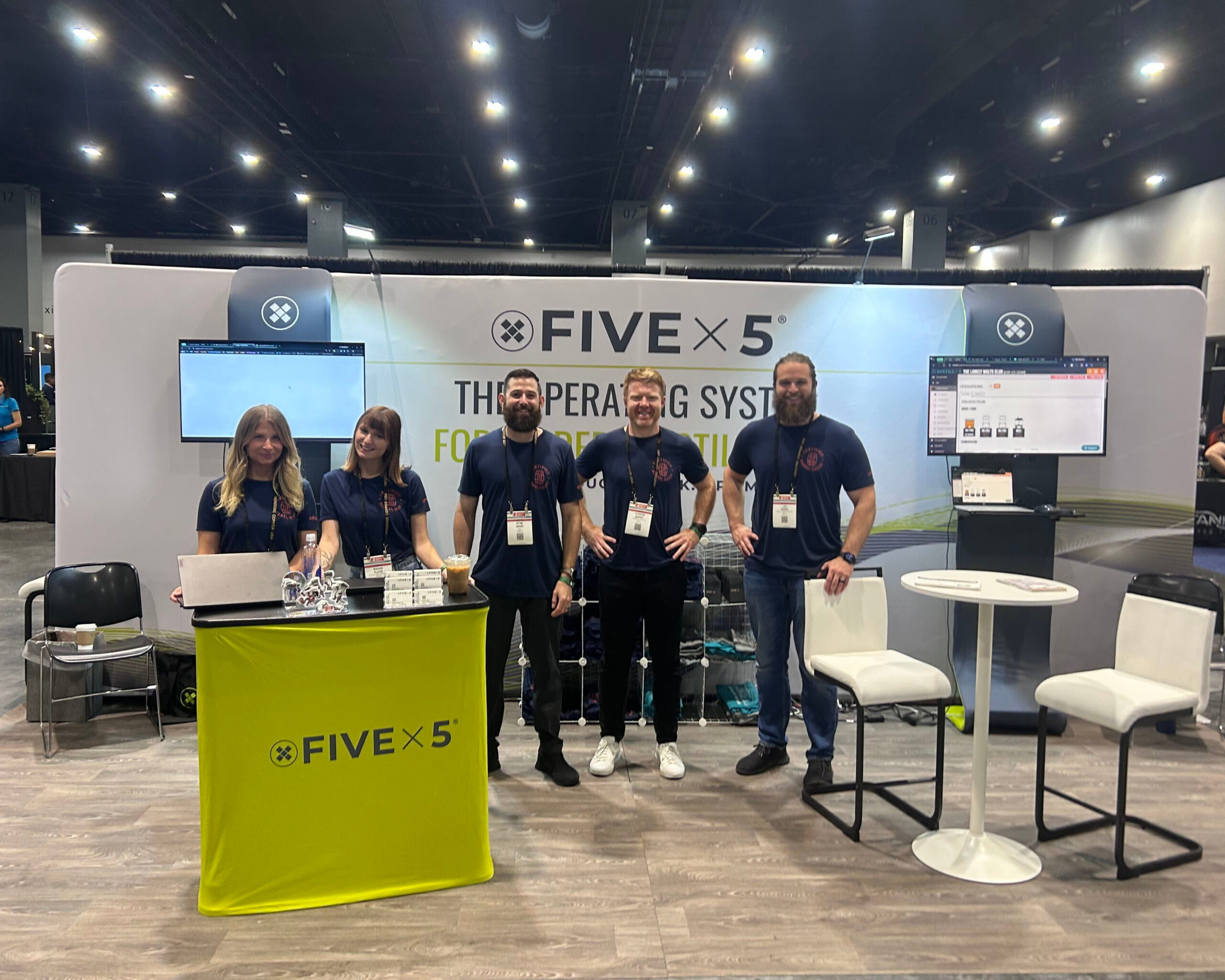
Choosing a distillery software provider shouldn’t be this confusing.
The distillery software market got crowded fast. New names. New promises. New price tags. Some of them look a lot like us. Some even put our name in their pitch.
But they aren’t us.
Before you compare a single feature, ask a more important question: who is behind the software, and will they still be there when you need them?
So let’s clear the air. Here are five myths about what matters when choosing a software provider, and the truth behind each one.
.
Myth #1: “Support is support. It doesn’t matter who answers.”
BUSTED.
When your production report won’t reconcile the night before it’s due, it matters a lot who picks up.
At FIVE x 5, our support and development teams are in-house and based in the U.S. No offshore call center. No outsourced ticket queue. When you reach us, you reach people who work here, in your time zone. Our customer success team is 7 people strong, and our development team is 5 more and growing.
And they know distilling. Everyone we bring on, developers included, goes through extensive in-house distilling industry training and DISTILL x 5 (Dx5) product training. Every one of them completes a full product walkthrough before they help a customer or write a line of code.
Our people stick around, too. The average FIVE x 5 team member has been with us for more than four and a half years. That means the person helping you today likely helped another distillery through the same problem last year.
It’s the thing our customers talk about most: our people, and how fast they respond. Our support team typically replies within 20 minutes during business hours.
Ask any software provider: Where is your support team? Where are your developers? How many people are on each team? How long have they been with you? How are they trained on the distilling industry?
Myth #2: “Newer means better.”
BUSTED.
New can be exciting. It can also mean untested.
FIVE x 5 has been serving distilleries continuously since 2011. That’s more than 15 years of regulatory changes, excise tax deadlines, and growing pains, worked through side by side with our customers. In that time, thousands of distilleries have relied on our software, generating tens of thousands of TTB reports along the way.
Experience shows up in places you don’t see in a demo. It’s in the edge cases already solved. The workflows refined by years of real production runs. The questions we’ve heard a hundred times and answer before you finish asking.
A product launched last year, by a team that hasn’t been serving the spirits industry for years, hasn’t lived through that yet. Its customers are the ones finding the gaps, and a newer team means less industry experience behind the answers you get when you have a question. And when a product is still working out its kinks, those kinks can show up in your compliance reporting. That’s the last place you want to be someone’s test case.
Ask any software provider: How long has your software served distilleries? How many TTB reporting cycles has your software been through? How long has your team worked in the spirits industry? Can I talk to a customer who’s been with you for five years or more?
Myth #3: “Software is software. Any platform can handle a distillery.”
BUSTED.
Distilling isn’t brewing. It isn’t winemaking. And it definitely isn’t generic manufacturing.
Spirits come with their own vocabulary, their own math, and their own regulators. Proof gallons. Barrel aging. Bonded and taxpaid inventory. Monthly TTB operations reports. Federal excise tax.
Software built for another industry and adapted for spirits later tends to show its seams. You end up with workarounds, spreadsheets on the side, and reports you double-check by hand.
FIVE x 5 is rooted in spirits. Dx5 was built for distilleries from day one, and so is everything on our roadmap. We don’t serve every beverage category. We serve yours.
Ask any software provider: Was your product built for distilleries, or adapted for them? What percentage of your customers are distillers?
Myth #4: “Every software company will be around in five years.”
BUSTED.
Your production history, inventory records, and compliance reports live in your software. If that company folds, gets abandoned, or pivots away from spirits, you’re the one left scrambling.
FIVE x 5 is part of Volaris Group, an operating group of Constellation Software. Constellation is known for one thing above all: buying vertical software businesses and keeping them for the long haul.
To be clear, that’s not venture capital. Volaris and Constellation aren’t investors funding a startup and waiting for a quick exit. They acquire established software companies and hold them for good. That backing means financial stability, steady investment in the product, and a commitment to the distilling industry that doesn’t depend on the next funding round.
When you choose a platform, you aren’t choosing it for this year. You’re choosing who holds your records for the next twenty years and beyond.
Ask any software provider: Who backs you financially? What happens to my data if you shut down or get acquired? How long do you plan to serve distilleries?
Myth #5: “The cheaper option is the smarter option.”
BUSTED.
Say a lower-priced platform saves you $100 a month. That’s $1,200 a year. It sounds like a win.
Now do the other math.
- What’s an hour of your production manager’s time worth when they’re rebuilding a report by hand?
- What does it cost when a support ticket sits for days before anyone who understands distilling looks at it?
- What does it cost to hire someone to cover the work your software doesn’t handle?
- What does it cost to migrate everything again in two years if that platform doesn’t make it?
The sticker price is the smallest number in the equation. Software that doesn’t do what you need, backed by support you can’t reach, gets expensive fast.
With Dx5, you get a platform built for spirits, a team that knows your business, and a company that’s been here since 2011. That’s value you feel every month, not just on the invoice.
Run your own numbers. Our Distillery Time Savings Calculator shows how many hours manual tracking, reporting, and reconciliation cost your team each month, and what Dx5 saves you after the subscription.
Ask yourself: Is saving a little each month worth it if the software can’t keep up and you can’t get help when you need it?
The verdict
Myths busted. And we haven’t even talked about features yet.
Our team, our experience, our spirits focus, and our stability are how we win before the demo even starts. Our software does the rest.
You may have noticed our name coming up alot. In competitor pitches. In comparison charts. In conversations we’re not even part of. There’s a reason for that. When everyone measures themselves against one option, that option is the one to beat. Before you sign with anyone, ask yourself why they keep talking about us.
As our CEO, Ryne Davis, puts it:
“The fact they have to name us to compete with us should already tell you what you need to know.”
See the difference for yourself. Book a demo of Dx5 and meet the team that’s been building for distillers since 2011.
Frequently asked questions
Look past the feature list. Ask whether the software was built for distilleries from the start, where the support and development teams are based, how long the company has served the spirits industry, who backs it financially, and what it will really cost once you factor in workarounds and staff time.
FIVE x 5 has served distilleries continuously since 2011. Its platform, DISTILL x 5 (Dx5), is distillery management and compliance software built specifically for spirits producers.
FIVE x 5 is part of Volaris Group, an operating group of Constellation Software. Volaris and Constellation are long-term owners of vertical software businesses, not venture capital investors.
FIVE x 5’s support and development teams are in-house and based in the U.S. Support typically replies within 20 minutes during business hours, and every team member completes distilling industry training and Dx5 product training.
Only if it does what you need. A lower monthly price can cost more over time through manual workarounds, slow support, extra staff, or a second migration if the provider doesn’t last.